You'll Never Guess This Shipping Container Construction's Tricks
페이지 정보
작성자 Shayla 작성일26-07-09 05:54 조회3회 댓글0건관련링크
본문
Shipping Container Construction: An Innovative Approach to Modern Building
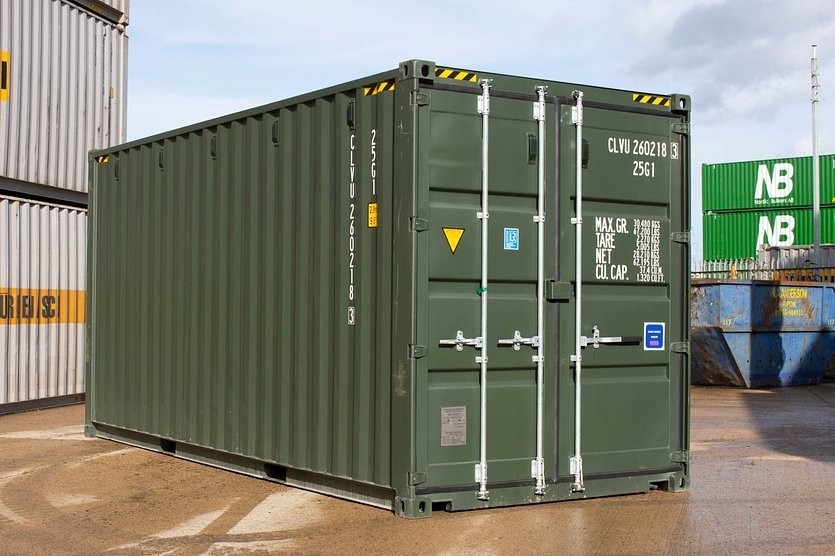
In the last few years, Steel Shipping Containers container construction has ended up being a popular alternative to standard building methods. With their sturdiness, affordability, and versatility, shipping containers are being changed into homes, workplaces, and even fashionable coffee shops. In this article, we will look into the benefits of shipping container construction, check out the process of transforming containers into habitable or functional areas, and address typical concerns about this innovative building pattern.
The Advantages of Shipping Container Construction
Shipping containers are not simply metal boxes; they are robust structures that offer numerous advantages when used in construction.
1. Cost-Effectiveness
One of the main factors for the increase of shipping container construction is cost savings. Compared to conventional structure approaches, container homes can be constructed for significantly less.
| Aspect | Conventional Construction | Shipping Container Construction |
|---|---|---|
| Average Cost per Square Foot | ₤ 150 - ₤ 300 | ₤ 100 - ₤ 200 |
| Speed of Construction | 6 months to over a year | A couple of weeks to a few months |
| Labor Costs | High | Lower due to less complex labor |
2. Sustainability
Repurposing shipping containers reduces waste and reduces the ecological effect associated with New Shipping Containers products. Many containers are treated with minimal chemicals, making them a greener option when appropriately insulated and finished.
3. Resilience and Weather Resistance
Constructed to stand up to harsh marine conditions, shipping containers are very durable and can endure extreme weather condition, including high winds and rainfall. This durability makes them an ideal choice for numerous environments.
4. Versatility and Customization
Shipping containers can be combined and modified to develop distinct areas. The modular nature of containers allows for easy design changes.
| Customization Option | Description |
|---|---|
| Size Alteration | Containers can be cut and combined to increase area. |
| Insulation Solutions | Different kinds of insulation can be made an application for temperature level control. |
| Interior Layout | Open floor plans can be designed to meet individual requirements. |
| Outside Finishes | Different materials can be used for an unique look. |
The Process of Shipping Container Construction
Changing a shipping container into a functional area involves a number of crucial steps:
Step 1: Planning and Design
Before starting, it is important to outline what you want to attain. This consists of determining the function of the container, the number of containers needed, and compliance with regional building regulations.
Step 2: Sourcing Containers
Containers come in different sizes, typically 20 or 40 feet long. When sourcing, it's vital to look for containers that are structurally sound and devoid of substantial rust or damage.
Step 3: Modifications
Cargo Containers may need modifications, such as cutting windows, doors, and ventilation systems. This step is where creativity can flourish, as the design and design can be customized to fulfill specific requirements.
Step 4: Insulation and Utility Installation
Appropriate insulation is essential for preserving a comfortable interior environment. After insulation, pipes, electrical systems, and HVAC systems can be installed.
Step 5: Finishing Touches
This last includes adding flooring, cabinets, and other visual components to make sure the area is practical and visually enticing.
Regularly Asked Questions (FAQs)
Q1: Are shipping container homes safe?
A: Yes, when designed and constructed properly, Shipping Container Leasing container homes can be extremely safe. Nevertheless, it is important to deal with specialists who understand structural stability and regional structure codes.
Q2: Can I finance a shipping container home?
A: Yes, numerous lenders offer financing alternatives for container homes, but it might depend on your area and the loan providers' policies. It's suggested to consult regional banks or home mortgage companies.
Q3: Are shipping containers insulated?
A: Shipping containers are generally not insulated at the factory, so it is essential to include correct insulation throughout the construction procedure to keep temperature level control.
Q4: How long will a shipping container last?
A: With proper upkeep, a shipping container can last 25 years or more. Routine inspections and maintenance help to lengthen its lifespan.
Q5: Can I build a shipping container home in cold climates?
A: Yes, shipping container homes can be designed to withstand cold environments. Correct insulation and heating systems can be incorporated to guarantee convenience.

Shipping container construction represents a special and innovative approach to modern structure. The combination of cost-effectiveness, sustainability, and flexibility makes it an attractive option for many property owners, business owners, and home builders alike. As urbanization continues, and the need for budget friendly housing increases, shipping containers are likely to play a significantly essential function in the architectural landscape.
Whether as a main home, a creative office area, or an artistic coffee shop, shipping container construction provides endless possibilities. As more individuals begin to acknowledge the capacity of these sturdy metal boxes, we can expect to see even more creativity and resourcefulness in this interesting field of construction.
댓글목록
등록된 댓글이 없습니다.